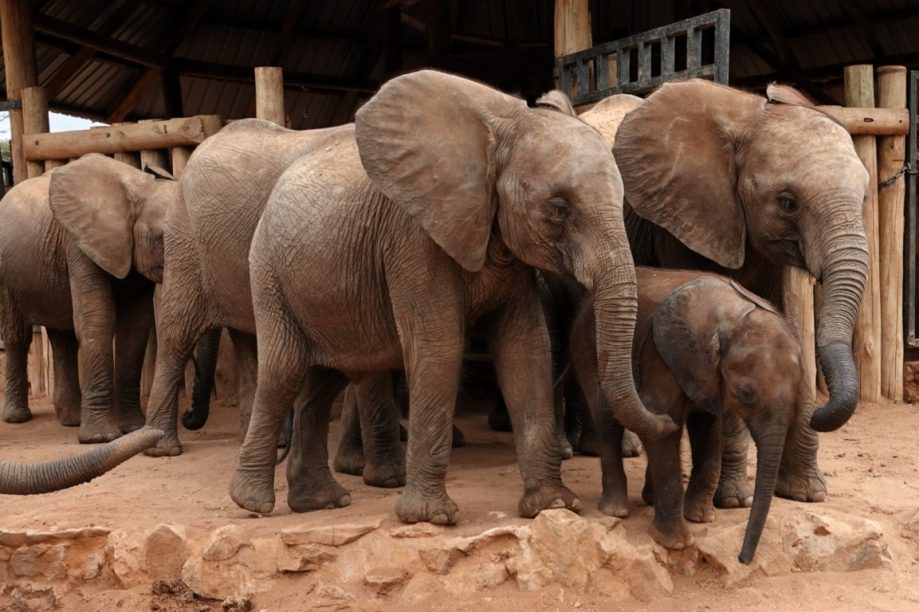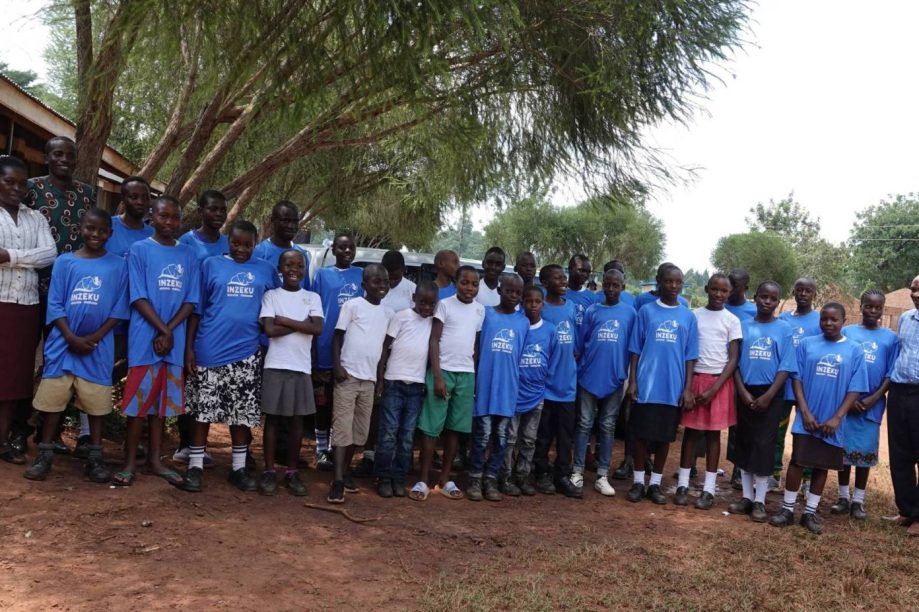
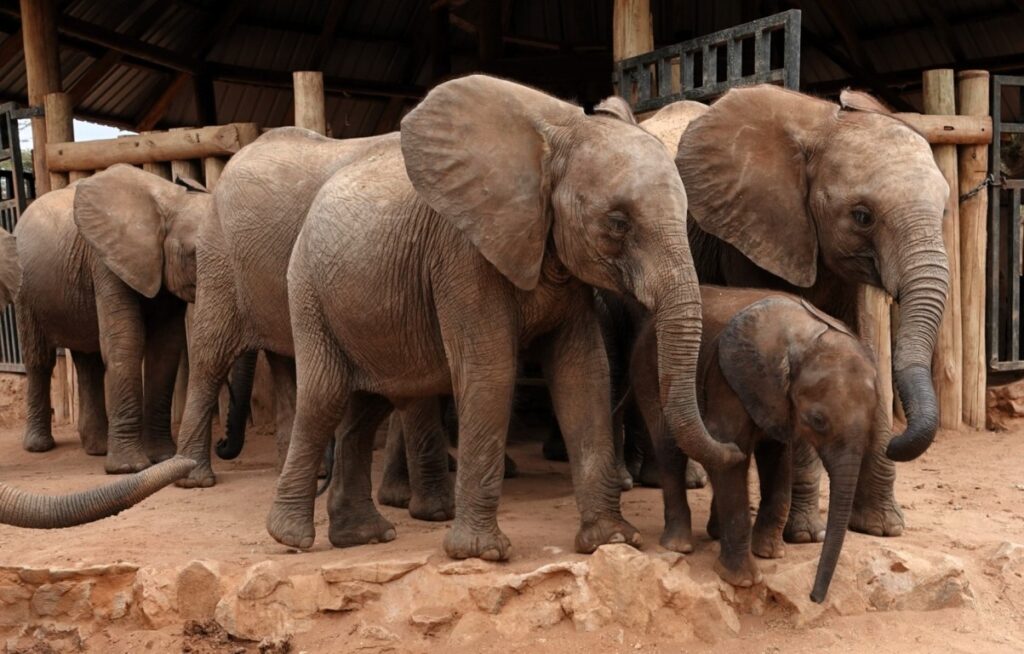
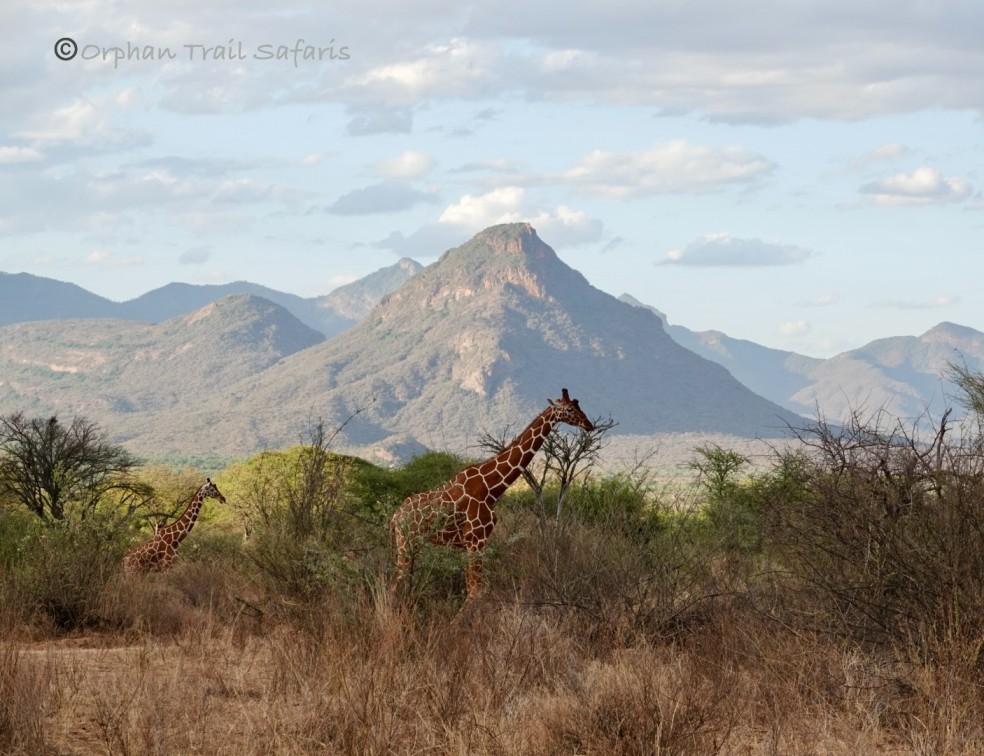
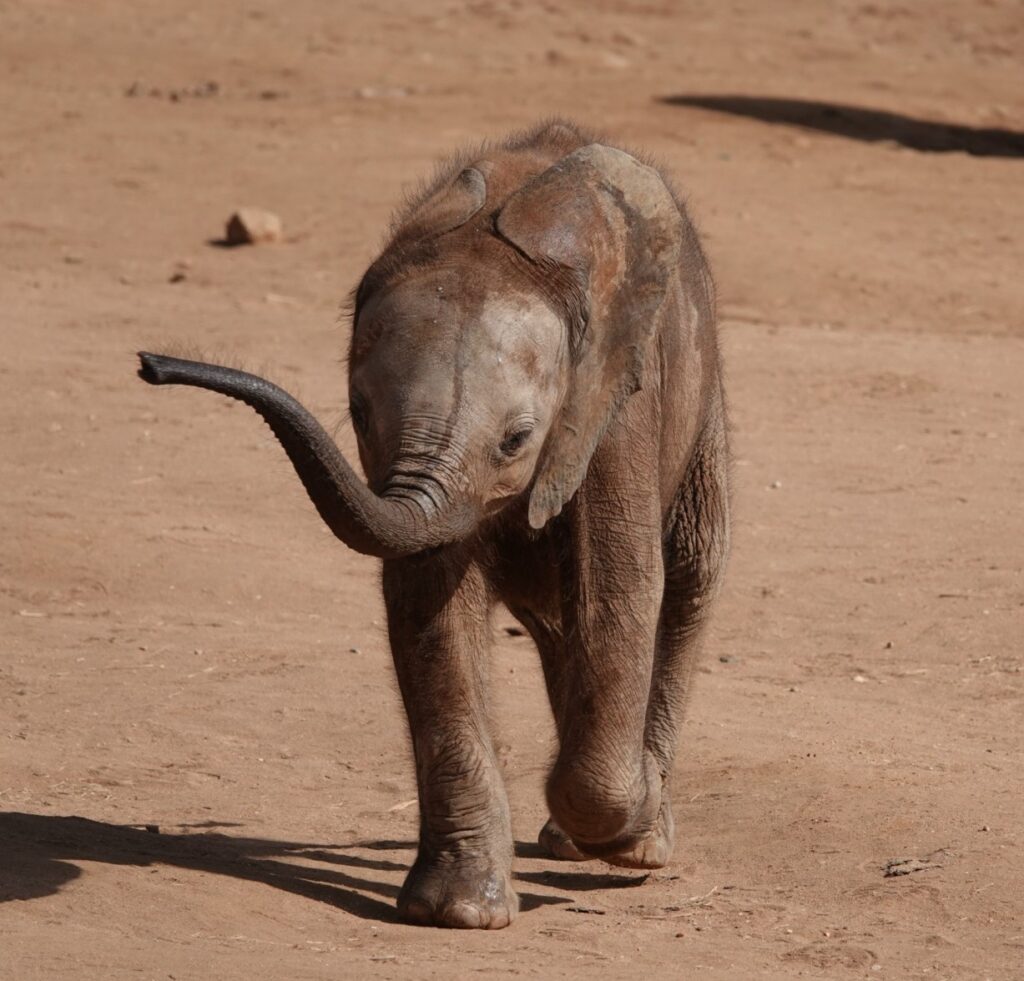
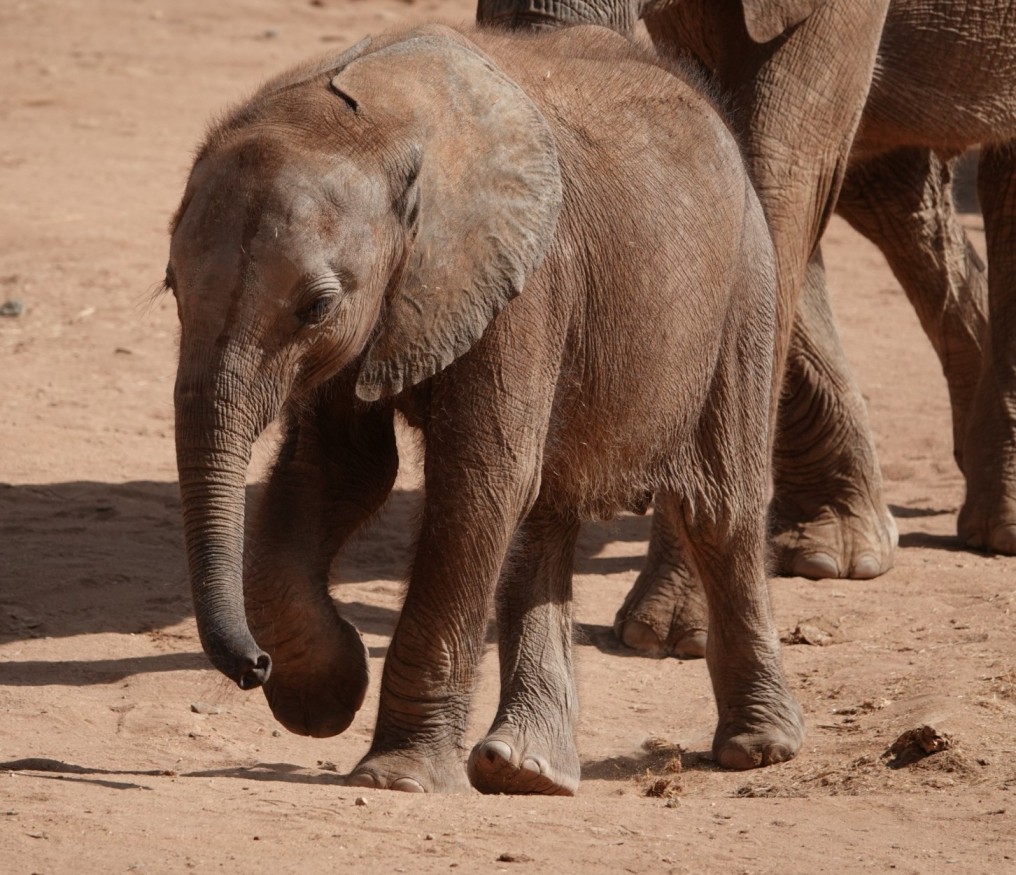
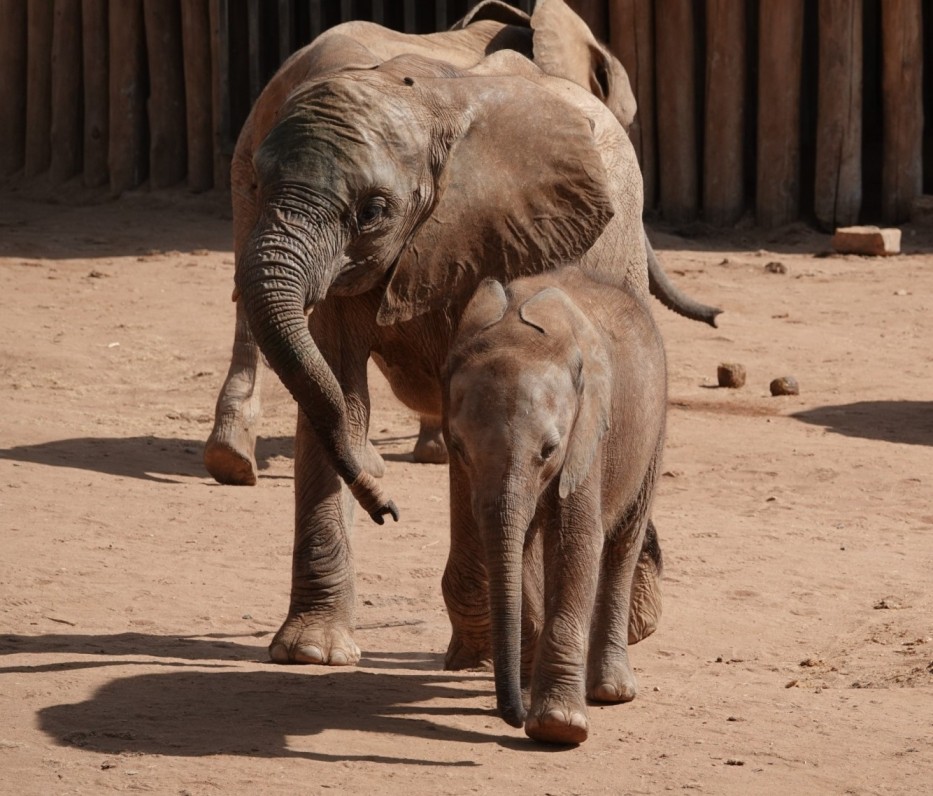
You may never have heard of Reteti Elephant Sanctuary which was established in 2016 and located deep within the heart of Namunyak Conservancy surrounded by the stunning Matthews Mountain Range. Here you’ll find the first community-led and owned elephant sanctuary in Africa, established in response to demands from the local Samburu community who recognised wildlife as an opportunity to improve livelihoods. It’s also the first sanctuary to employ women keepers as well as men, who have trained in care, rehabilitation & the release of elephant calves, and who instinctively provide the nurturing love needed to guide these vulnerable elephant orphans on their path back to the wild.
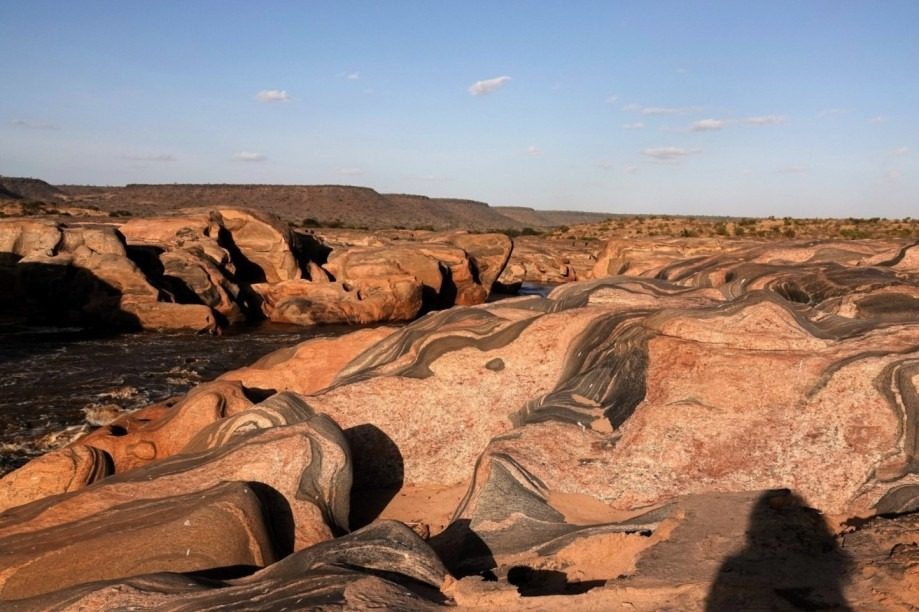
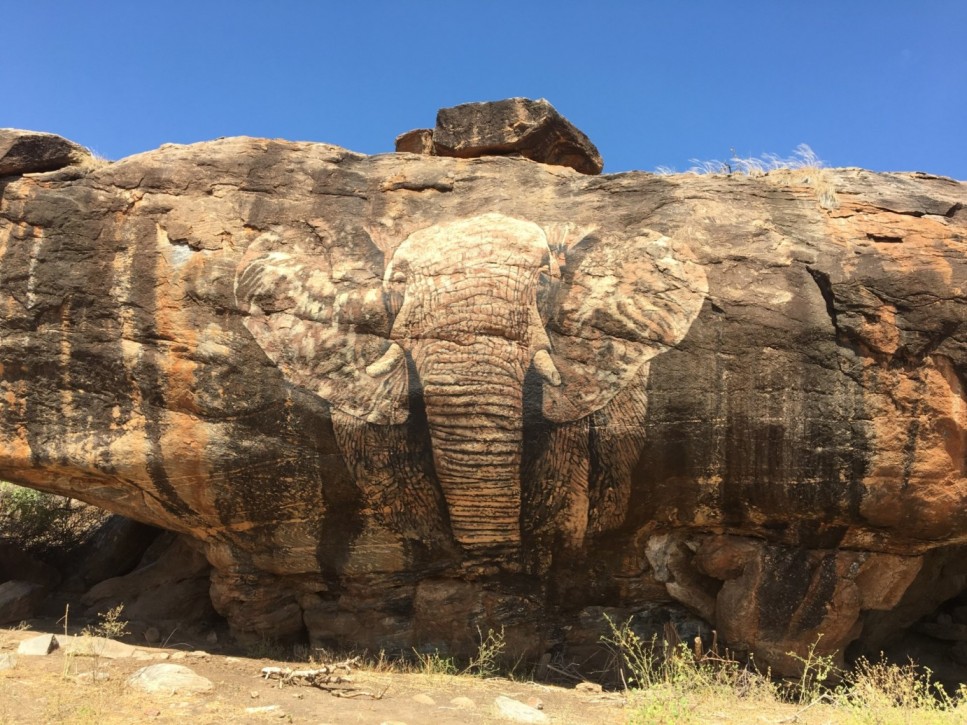
Just a short distance from Reteti is a striking rock formation, painted in 2016 by Youri Cansell in collaboration with photojournalist Ami Vitale. It serves as a powerful symbol honouring the return of elephants to Namunyak after being nearly wiped out by poachers in the 1970s and 80s. The rock itself previously served as a notorious hideout for elephant poachers
EMPOWERING SAMBURU WOMEN
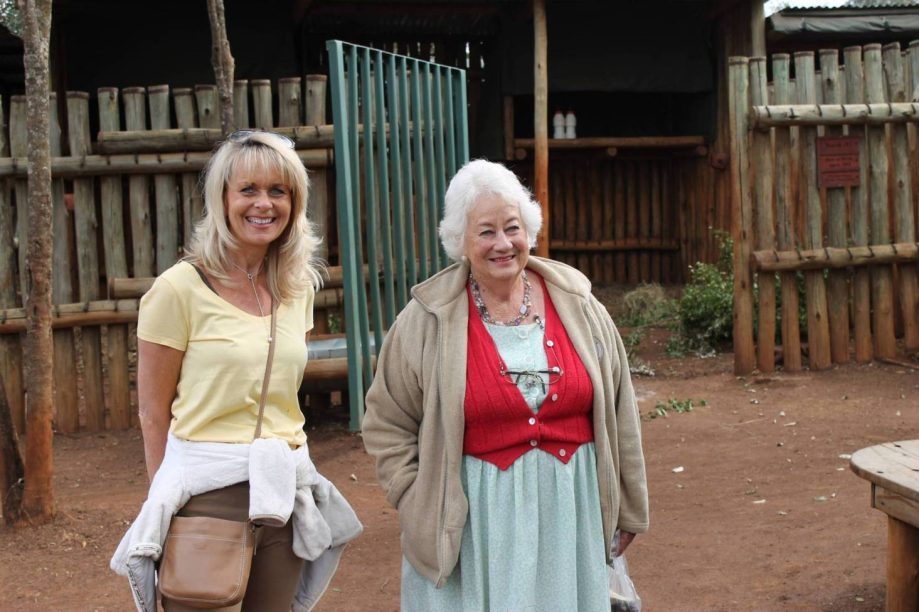
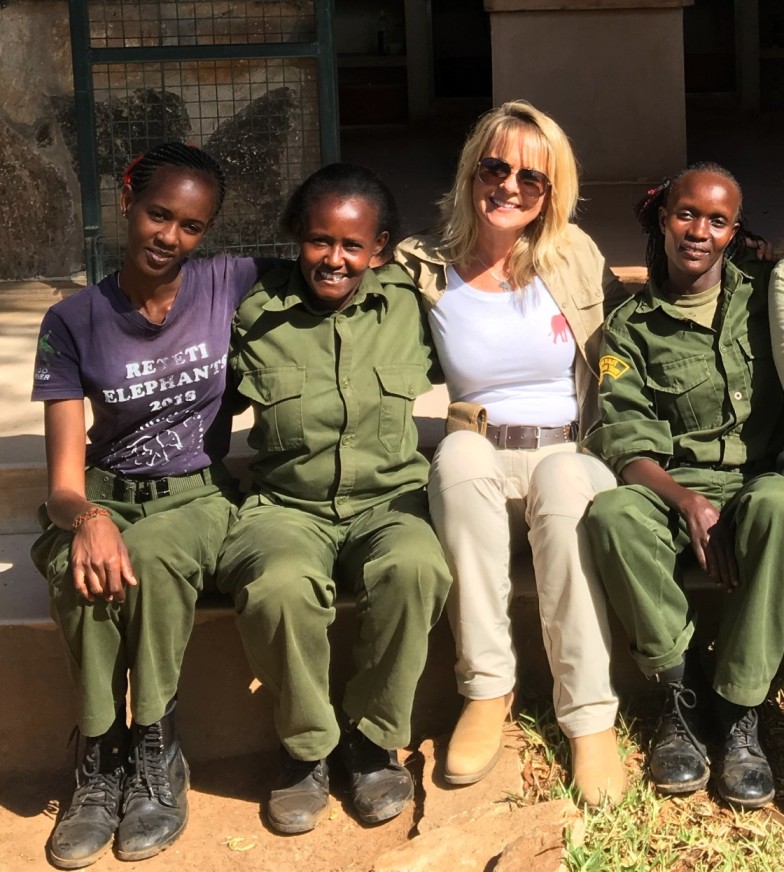
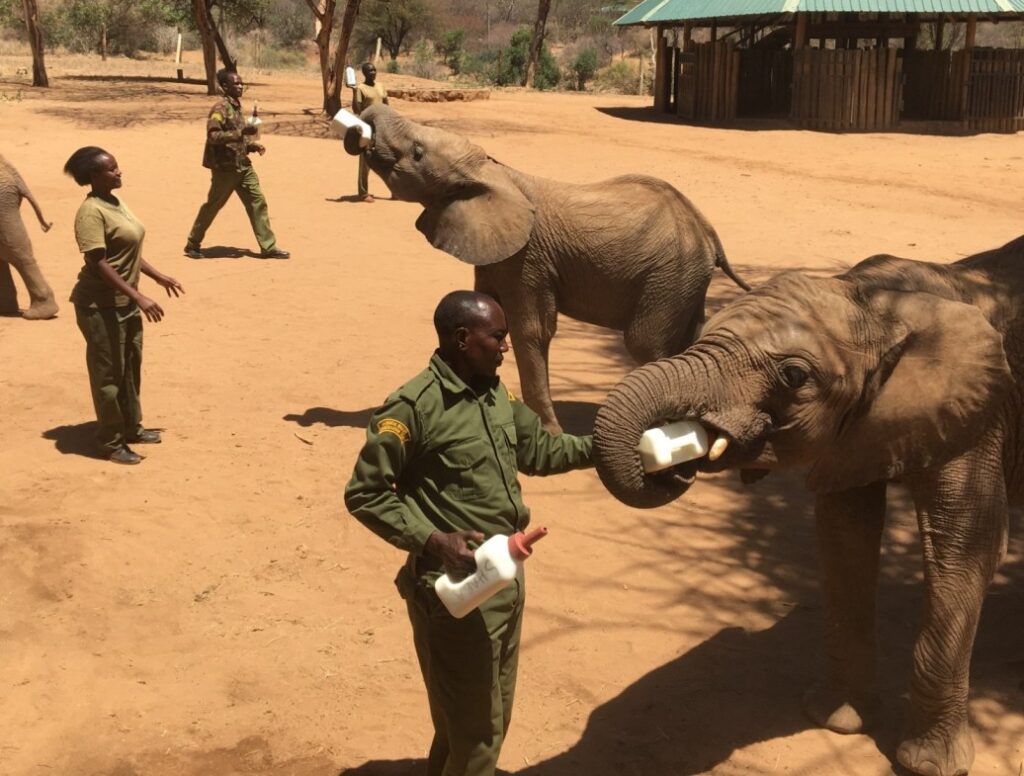
In 2019, I travelled to Namunyak Conservancy and paid my first visit to Reteti; for one I’m passionate about elephants and wildlife conservation but also because I was keen to see how this new sanctuary was run. I was especially interested in meeting the women keepers and learning how they balanced their work with family life, as many were young mothers. Unlike other long-established elephant orphanages in East Africa, who employ only male keepers because of the remoteness of their reintegration units, Reteti’s female keepers come from nearby Samburu villages. This allows them to leave their young children with grandparents or other relatives while they are at work.
Reteti was still relatively new & unknown around the world…word had not yet spread about this small and unique facility that rescued orphaned elephants in Samburu County, Northern Kenya. It’s also pretty remote so getting there was a challenge. We drove from Samburu National Reserve along the tarmac highway for about 2 hours through a vast changing and quite stunning landscape, passing the sacred mountain before heading off into the bush on very rough terrain through the Namunyak Conservancy to reach Reteti. Having a guide that knows the exact location & a 4 x 4 is essential. Before 2016 if an orphaned elephant needed rescuing in Samburu, rangers would contact The Sheldrick Wildlife Trust, a long-established elephant orphanage in Kenya. The orphan would be rescued and flown south to their Nairobi Orphanage and once old enough would be released from one of their reintegration units in Tsavo East National Park, a very long way from their original home. The Samburu people, who value & appreciate their wildlife, wanted to keep their elephants in Samburu.
A STORY OF RESCUE & RECOVERY
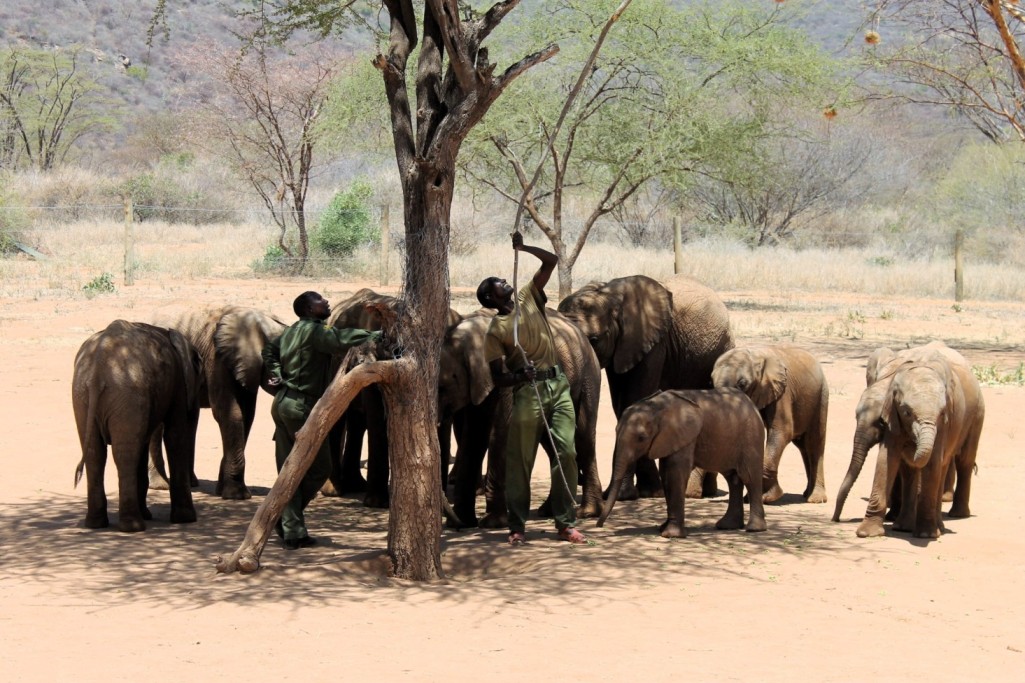
In February 2019, Reteti had not yet released any rescued elephant orphans, as the calves were still too young. At the time, however, I was told that, with guidance from Save the Elephants and the San Diego Zoo in the United States, the sanctuary had already begun the long release process. The first small group of orphaned elephants, led by Shaba, the mini matriarch, was moved to a boma beyond the sanctuary, where they would remain for many months. I believe this group was only about four years old and having spent many years observing and understanding the Sheldrick Wildlife Trust’s successful orphan project, I was highly sceptical about the planned release later that year and felt the orphans wouldn’t be ready. My doubts stemmed both from the elephants’ young age and from Reteti’s alternative rehabilitation approach. After many months at the boma, browsing in the bush with their keepers and learning vital life skills, Shaba finally led her tiny herd out into the wild, while the keepers monitored them closely each day in case they got into trouble. Sadly, the first release was not very successful. The calves were likely too young and not yet equipped to fend for and protect themselves, and it proved to be a heartbreaking lesson learned.
Since then, Reteti has adopted a gentler approach to releasing orphaned elephants, waiting until they are between seven and nine years old, when they are stronger and better able to cope on their own. I believe the sanctuary has now successfully released four orphan herds, and those elephants are living freely in the wild, as they should be.
SHABA THE MINI MATRIARCH
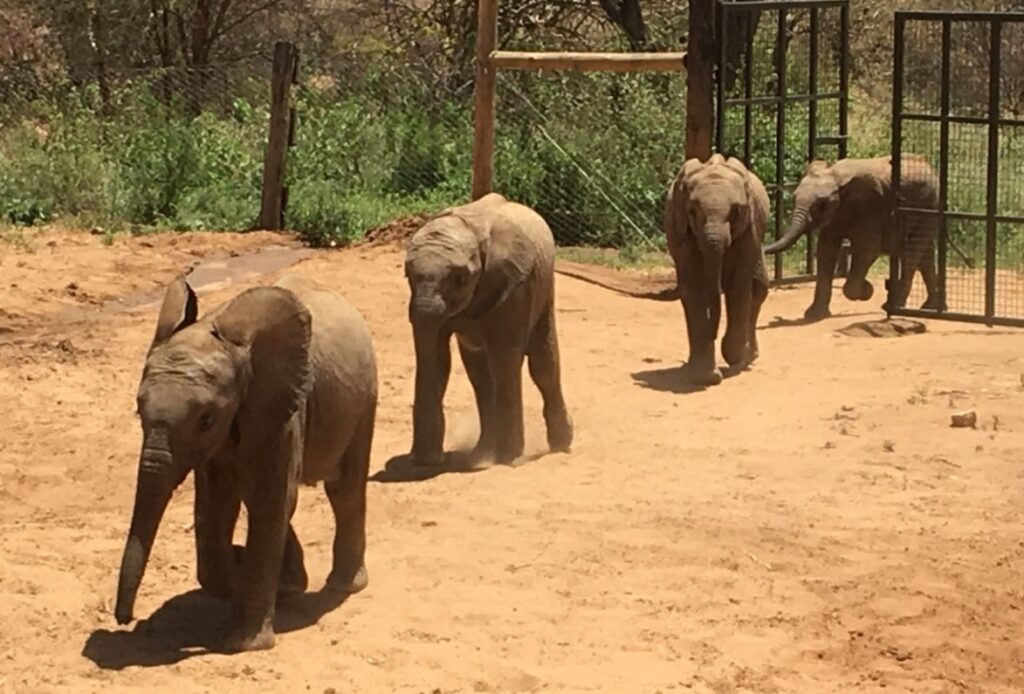
Although Shaba was not the first orphan elephant rescued by Reteti, she arrived at the sanctuary deeply traumatised after poachers killed her mother. It took time for the keepers to gain her trust after such a harrowing experience. In time, Shaba became the respected leader of the young orphan herd and earned the title of Reteti’s first mini matriarch.
WAVING GOODBYE – AN EMOTIONAL JOURNEY
Saying goodbye to baby elephants will always be bittersweet. The keepers who raise these orphans, many rescued when only a few weeks old or in distressing circumstances, care for them as they would their own children. They become their family, offering round-the-clock love, trust and tenderness while forming deep, lasting bonds and learning each elephant’s individual character, likes and dislikes. The keepers often say they have two families: one two-legged and one four-legged. They watch the calves grow from wobbly-legged infants into confident young elephants ready to return to the wild, all the while knowing that one day they will have to let them go.
Alongside that sadness, each release must also bring immense pride and a sense of triumph, knowing that their four-legged family has returned to where it belongs: living freely in the wild and once again part of a herd.
As Dorothy, one of the original female keepers once said: “Our release herds are now exploring, learning and becoming the wild elephants they were always meant to be. They’ve left an indelible mark on us, and no matter where they roam, they will always be part of the Reteti family. As we continue our work with new arrivals, we carry the lessons of the release herds with us. They have taught us about resilience, hope and the power of letting go with love.”
Source: The Washington Post.
MILK MAMAS
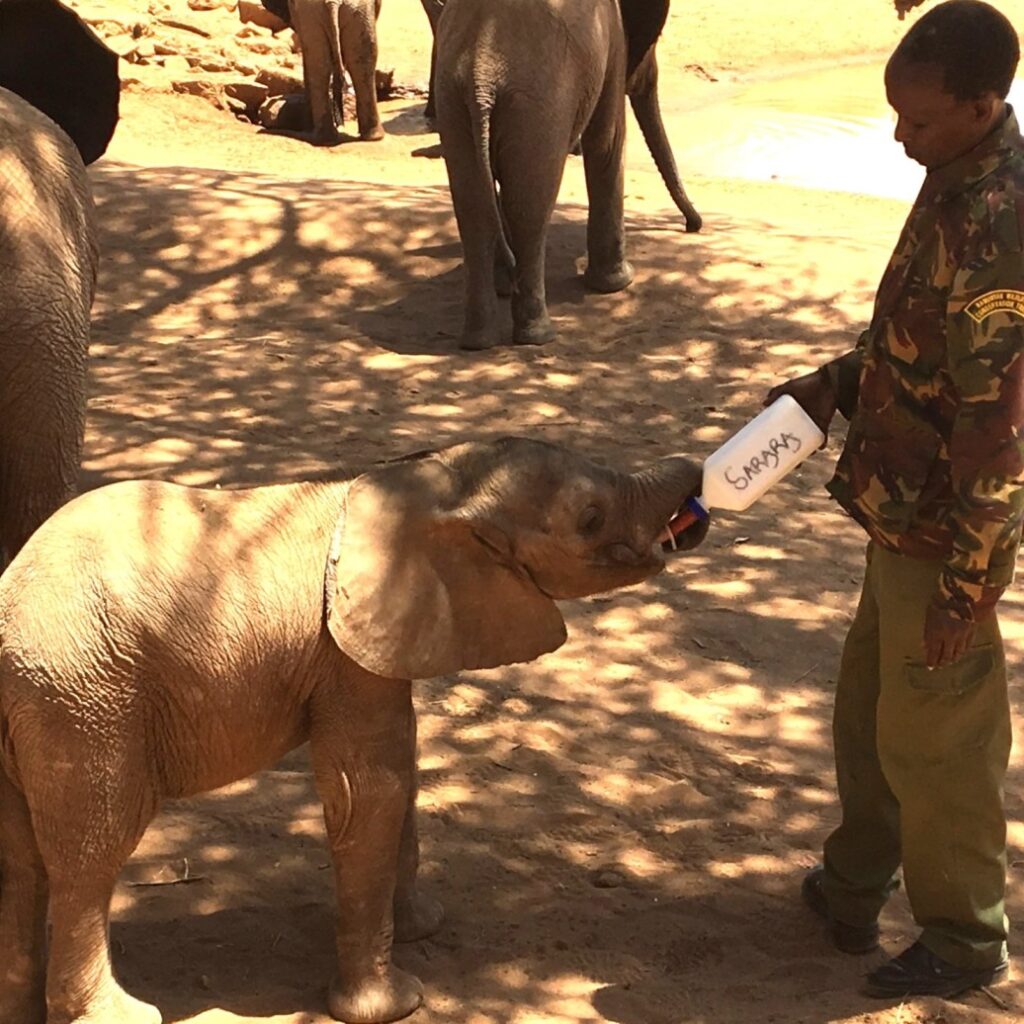
Like many organisations, Reteti originally fed its rescued elephants formula milk, but about four years ago however, the keepers discovered by chance that elephant calves could thrive on goat’s milk. In Samburu communities, traditionally women who do not produce enough milk after childbirth fed their children goat’s milk, and because some of the keepers had themselves been raised this way, they decided to try it out on a some of the elephant calves. After Katie Rowe, one of Reteti’s founders, worked with a nutrition team to develop supplements, the survival rate of the baby elephants rose from 50% to 98%.
It is a win-win. The hundreds of thousands of dollars once spent on formula milk abroad now stay within the Samburu community, helping to empower local women. The women, now known as the ‘Milk Mamas’, supply around 500 litres of goat’s milk to Reteti each day. More than 1,280 Milk Mamas now run their own businesses, have opened bank accounts—something that was almost unheard of a few years ago—and are supporting their families and paying their children’s school fees.
In 2024, led by these Milk Mamas and other eco-warriors, 800 bunds were dug to capture rainwater and restore the rangelands. The Milk Mamas also established a seed bank and planted indigenous trees during the rainy season, helping new life take root across hundreds of acres.
“One bottle feeds a calf, strengthens a community and helps restore the landscape the elephants will one day call home again”.
Source: Reteti Elephant Sanctuary
RETURNING TO RETETI
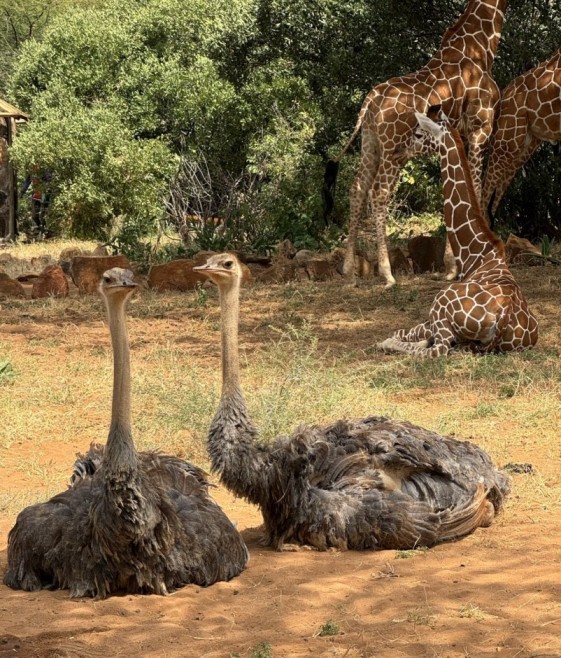
Since my first visit and over the past few years, I have seen the sanctuary establish and grow; caring for more orphaned elephants as well as a menagerie of other rescued wildlife, including ostriches, reticulated giraffes and baby Grevy’s zebras. A new education centre has also been added, helping visitors better understand the rescue and rehabilitation process.
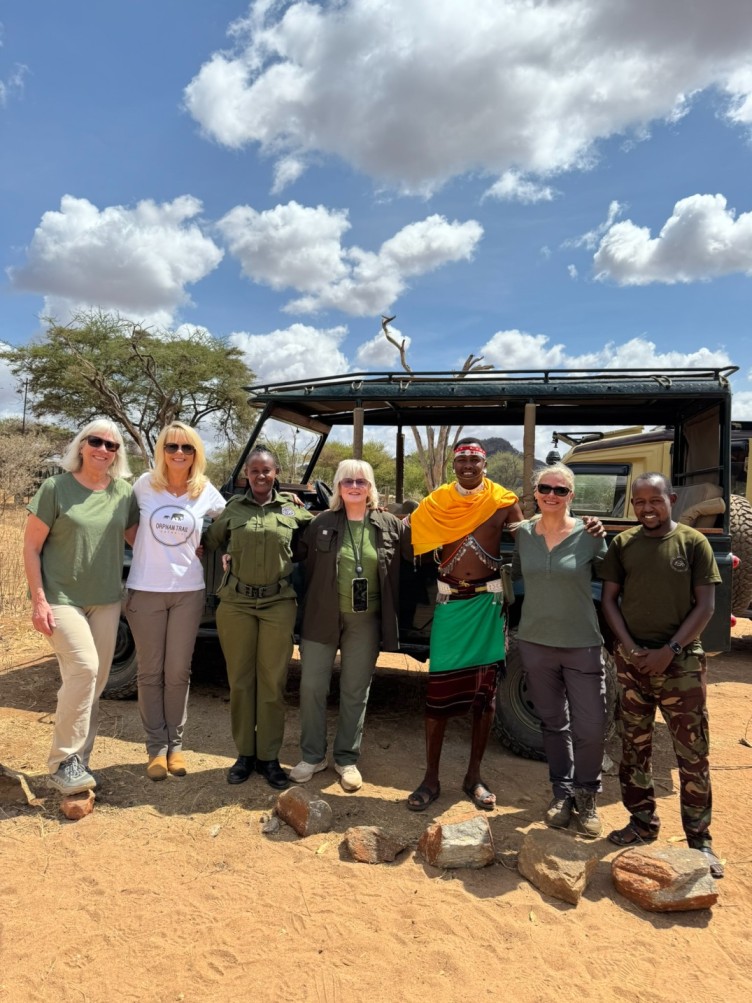
I have revisited Reteti many times with my Orphan Trail Safari clients and now include the sanctuary in several of my group itineraries. We usually fly by private charter to Kalama Airstrip in Samburu and stay at a camp on the banks of the Ewaso Nyiro River in Samburu National Reserve. During our three- or four-night safari, we typically spend a full day at the sanctuary and take a packed lunch, making a short stop at ‘Elephant Rock. Although a day’s visit to Reteti is quite different, for many reasons, to spending three nights at each of the Sheldrick Wildlife Trust’s reintegration units, it’s still a special experience and equally inspiring. Reteti has a raw, authentic quality that will leave an imprint on your heart. In 2020, my heart was lost to a young, rescued elephant named Long’uro who defied the odds of survival; a tremendously brave and resilient little calf.
Seeing the sanctuary’s work firsthand is deeply rewarding knowing that proceeds from our visits help support both the elephants and the local community.
You can learn more about the Reteti Elephant Sanctuary, adopt an elephant or donate, by visiting their website.